Whether you are looking to pack on lean muscle or speed up your post-workout recovery, your protein quality matters.
Leucine is the powerhouse amino acid that acts as a "trigger" for muscle growth.
Here's what you need to know about this essential nutrient and which foods high in leucine that you should add to your shopping trolley.
Jump to:
- What is leucine?
- Benefits of leucine
- How much should you take?
- Foods high in leucine
- Supplements with leucine
- Frequently asked questions
What is leucine?
Amino acids are the building blocks of protein, essential for repairing tissues and supporting metabolic functions. One of the most critical is leucine, a branched-chain amino acid (BCAA) that your body cannot produce on its own. Because it is an essential amino acid, you must obtain it through your diet or supplementation.
Leucine is unique because it directly signals the body to begin muscle protein synthesis (MPS).1 Not all protein sources are created equal, as those with a higher leucine content are generally more effective at stimulating muscle repair.2 Consuming a diverse range of leucine-rich foods ensures your body has the tools it needs to recover after a heavy lifting session.
Benefits of leucine
The primary benefit of leucine is its ability to stimulate the mTOR pathway, which acts like a biological switch for muscle growth. Research suggests that leucine is one of the most potent amino acid for driving MPS, making it vital for anyone looking to increase strength or size.1
Beyond muscle growth, leucine can help to preserve lean tissue during periods of calorie restriction or weight loss. It can also improve recovery times by reducing muscle soreness following intense resistance training.
How much should you take?
The International Society of Sports Nutrition (ISSN) suggests that for most exercising individuals, an acute protein dose should contain 700-3000 mg of leucine.3 To maximise muscle protein synthesis, many experts recommend aiming for roughly 3g of leucine per meal.4
For those focused on building or maintaining mass, a daily protein intake of 1.4-2.0 g per kg of body weight is recommended.3 Ensuring that these protein servings are distributed every 3-4 hours throughout the day helps maintain a positive muscle protein balance. Higher-quality, rapidly digested proteins like whey often provide the most efficient leucine delivery for post-workout recovery.3

9 foods high in leucine
1. Chicken breast
- 2.5g leucine
- 32g protein
- 165kcal
Chicken breast is a staple for athletes because it is a lean source of high-quality protein. It is particularly rich in lysine and essential B vitamins like niacin and B6, which support energy metabolism.

30-Minute Chicken Tikka Masala Meal Prep
Sort your lunches for the week in just half an hour. ...
2. Turkey
- 2g leucine
- 34g protein
- 147kcal
Turkey provides a very high protein-to-calorie ratio, making it ideal for those watching their weight. It also contains selenium and phosphorus, which are important for immune function and bone health.

Homemade Beef Crunch Wraps | Fakeaway Favourites
How to get your fix of that Taco Bell classic. ...
3. Beef
- 2.6g leucine
- 30g protein
- 122kcal
Beef is an excellent source of all three BCAAs: leucine, isoleucine and valine. It also contains iron and B12, which are essential for reducing fatigue and supporting red blood cell production.5

4. Parmesan cheese
- 3.4g leucine
- 35.8g protein
- 392kcal
Parmesan is incredibly nutrient-dense and contains more leucine per gram than many meats. It is particularly high in calcium, essential for maintaining healthy teeth and bones.6
However, it is also high in salt and fat, so it is best used as a flavourful topper rather than a primary protein source.
5. Tuna
- 2g leucine
- 24g protein
- 99kcal
Tuna is a lean protein source that provides a significant dose of B12 and selenium. It is also one of the few food sources that naturally contains vitamin D, which is vital for hormone health and bone density.
6. Pine nuts
- 2g leucine
- 14g protein
- 693kcal
Pine nuts are a great plant-based leucine source but are very calorie dense. They are rich in vitamin E, which acts as a powerful antioxidant to protect your cells from oxidative stress.7
7. Dried broad beans (fava beans)
- 2g leucine
- 26g protein
- 343kcal
Fava beans are an excellent choice for vegans looking to increase their leucine intake. They are also packed with dietary fibre, which supports digestive health and satiety.8
8. Dried peas (split peas)
- 1.4g leucine
- 22g protein
- 324kcal
Split peas are a versatile plant protein that provides essential minerals like magnesium and zinc. Their high fibre content makes them great for maintaining steady energy levels throughout the day.8
9. Salmon
- 2g leucine
- 23g protein
- 205kcal
Salmon offers a combination of high-quality protein and heart-healthy omega-3 fatty acids.9

Supplements with leucine
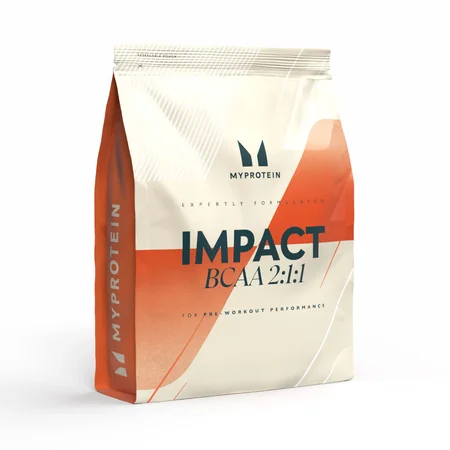
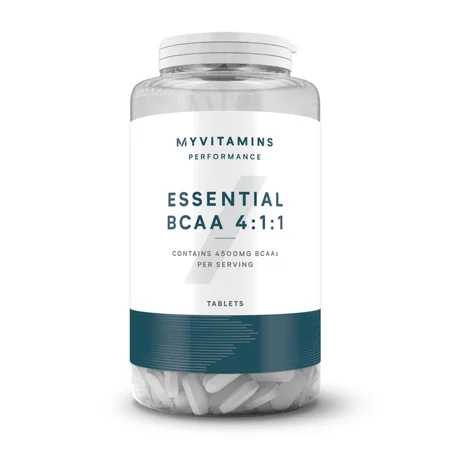
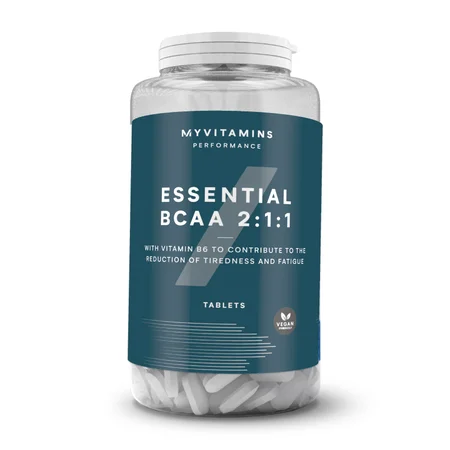
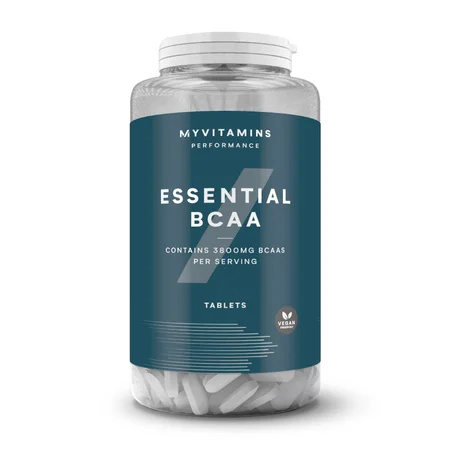
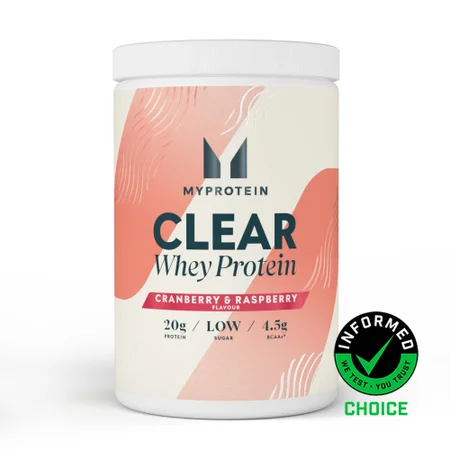
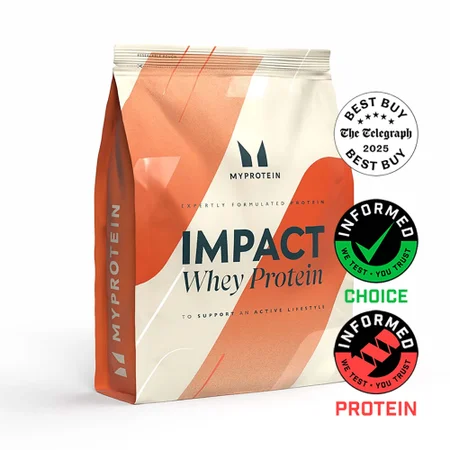
While whole foods should always come first, supplements are a convenient way to hit your leucine targets. Whey protein is naturally high in leucine and is rapidly absorbed, making it perfect for post-workout nutrition.3
FAQs
Can you have too much leucine?
While leucine is essential for muscle growth, you don't need to take too much of it. Stick to the ISSN guidelines of 700-3000mg per serving as part of a balanced protein intake.3
Are plant-based proteins high in leucine?
Some plant sources like fava beans and soy are relatively high in leucine, though often lower than animal-derived proteins. Plant-based eaters may benefit from combining different plant proteins or using a leucine supplement to hit their targets.2
When is the best time to eat foods high in leucine?
Consuming leucine-rich foods post-workout is ideal for triggering muscle protein synthesis and aiding recovery.
However, distributing your intake evenly every 3-4 hours across the day is the best strategy for maintaining muscle mass.3
Does leucine help with weight loss?
Leucine helps to preserve lean muscle mass when you are in a calorie deficit. By maintaining muscle, you keep your metabolic rate higher, which can support long-term weight management goals.
Take home message
Leucine is one of the most important amino acids for triggering muscle protein synthesis and aiding recovery.
By including a variety of foods high in leucine — like lean meats, fish and legumes — you can optimise your body’s ability to build and maintain muscle.
Aim for 3g of leucine per meal to keep your progress on track and consider high-quality supplements to fill any nutritional gaps.
READ THESE NEXT:

- Wilkinson, D. J., Hossain, T., Hill, D. S., Phillips, B. E., Crossland, H., Williams, J., … & Atherton, P. J. (2013). Effects of leucine and its metabolite B-hydroxy-β-methylbutyrate on human skeletal muscle protein metabolism. The Journal of Physiology, 591(11), 2911–2923. https://doi.org/10.1113/jphysiol.2013.253203
- Gorissen, S. H. M., & Witard, O. C. (2018). Characterising the muscle anabolic potential of dairy, meat and plant-based protein sources in older adults. Proceedings of the Nutrition Society, 77(1), 20–31. https://doi.org/10.1017/S002966511700194X
- Jäger, R., Kerksick, C. M., Campbell, B. I., Cribb, P. J., Wells, S. D., Skwiat, T. M., … & Antonio, J. (2017). International Society of Sports Nutrition Position Stand: protein and exercise. Journal of the International Society of Sports Nutrition, 14(1), 20. https://doi.org/10.1186/s12970-017-0177-8
- Rondanelli, M., Nichetti, M., Peroni, G., Faliva, M. A., Naso, M., Gasparri, C., … & Perna, S. (2021). Where to find leucine in food and how to feed elderly with sarcopenia in order to counteract loss of muscle mass: Practical advice. Frontiers in Nutrition, 7, 622391. https://doi.org/10.3389/fnut.2020.622391
- Vaucher, P., Druais, P. L., Waldvogel, S., & Favrat, B. (2012). Effect of iron supplementation on fatigue in nonanemic menstruating women with low ferritin: A randomized controlled trial. CMAJ, 184(11), 1247–1254. https://doi.org/10.1503/cmaj.110950
- Cormick, G., & Belizán, J. M. (2019). Calcium intake and health. Nutrients, 11(7), 1606. https://doi.org/10.3390/nu11071606
- Rizvi, S., Raza, S. T., Ahmed, F., Ahmad, A., Abbas, S., & Mahdi, F. (2014). The role of vitamin E in human health and some diseases. Sultan Qaboos University Medical Journal, 14(2), e157–e165.
- Gill, S. K., Rossi, M., Bajka, B., & Whelan, K. (2021). Dietary fibre in gastrointestinal health and disease. Nature Reviews Gastroenterology & Hepatology, 18(2), 101–116. https://doi.org/10.1038/s41575-020-00375-4
- Kris-Etherton, P. M., Harris, W. S., & Appel, L. J. (2002). Fish consumption, fish oil, omega-3 fatty acids, and cardiovascular disease. Circulation, 106(21), 2747–2757. https://doi.org/10.1161/01.CIR.0000038493.65177.94